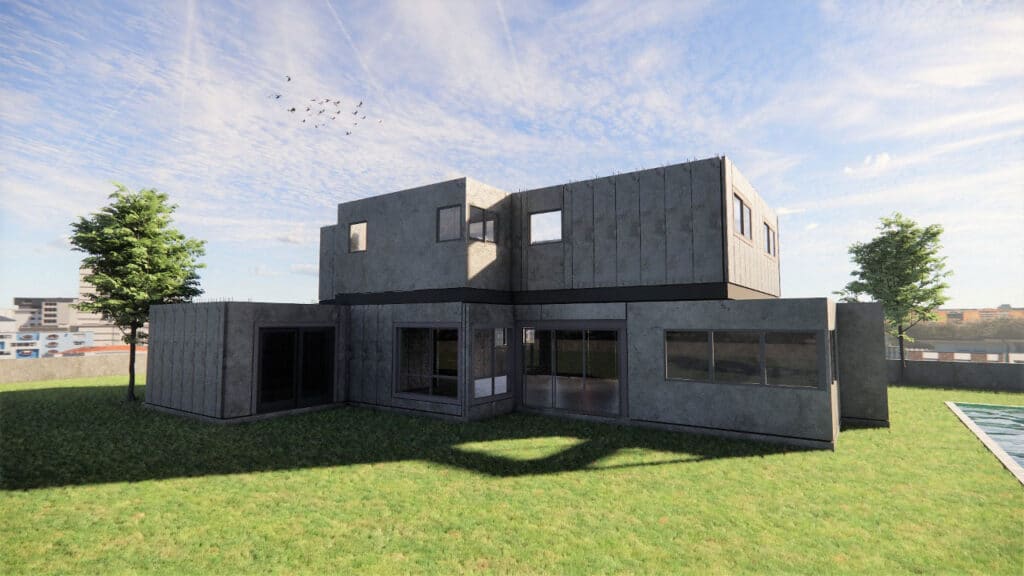
The Importance of wall insulation
Wall insulation is often overlooked but plays a vital role in creating energy-efficient and comfortable living spaces. Understanding its importance is key to reducing energy consumption and enhancing overall building performance.
Energy Efficiency: Proper wall insulation reduces heat transfer, leading to lower energy bills and decreased reliance on heating and cooling systems. It keeps indoor temperatures stable, regardless of external weather conditions.
Comfort: Insulation provides consistent temperatures and reduces drafts, creating a more comfortable indoor environment year-round. It also acts as a sound barrier, minimizing external noise for a peaceful living space.
Structural Protection: Insulation helps prevent moisture-related damage by minimizing condensation within walls, preserving the structural integrity of buildings and reducing maintenance costs.
Environmental Impact: By lowering energy consumption, wall insulation reduces greenhouse gas emissions and promotes sustainability. Many insulation materials are eco-friendly, made from recycled or renewable resources.
Why choosing the best wall insulation matters for Perth residents?
Climate Control: Perth’s climate oscillates between extremes, with blistering heatwaves and cool winters. High-quality wall insulation acts as a buffer, keeping interiors comfortably cool in summer and snugly warm in winter. It’s the difference between seeking refuge from the sweltering sun or enjoying a blissful oasis of comfort at home.
Energy Efficiency: With temperatures soaring, air conditioning becomes a lifeline during Perth’s summer months. Optimal wall insulation reduces the strain on cooling systems, slashing energy bills and easing the burden on the environment. By choosing the best insulation, Perth residents can keep their homes cool without breaking the bank or contributing to excessive energy consumption.
Protection Against Noise: Amidst the vibrant urban landscape of Perth, peace and quiet can sometimes feel like a luxury. Premium wall insulation not only regulates temperature but also acts as a sound barrier, shielding residents from the clamor of city life. Whether it’s the hum of traffic or the buzz of neighboring activities, superior insulation ensures that home remains a serene sanctuary.
Durability and Longevity: Perth’s coastal location exposes buildings to harsh weather conditions, including salt-laden winds and occasional storms. High-quality insulation not only maintains indoor comfort but also protects the structural integrity of homes. By investing in top-notch insulation, Perth residents can safeguard their properties against moisture damage and prolong their lifespan.
Sustainable Living: As the world shifts towards sustainability, choosing eco-friendly insulation materials becomes increasingly important. Many premium insulation options are made from recycled or renewable resources, aligning with Perth’s commitment to environmental responsibility. By opting for the best insulation, residents can reduce their carbon footprint and contribute to a greener future for generations to come.
Effects of temperature variations on home comfort and energy bills
Comfort Implications: Temperature swings, whether seasonal or daily, directly influence how comfortable we feel within our homes. Extreme heat or cold can lead to discomfort, affecting productivity, mood, and overall well-being. Maintaining a stable and comfortable indoor environment becomes paramount, especially during harsh weather conditions.
Energy Consumption: Temperature fluctuations also have a substantial impact on energy consumption and, consequently, utility bills. During colder months, heating systems work overtime to compensate for lower outdoor temperatures, leading to increased energy usage and higher bills. Conversely, in hotter periods, air conditioning units consume more energy to keep interiors cool, further adding to expenses.
Insulation Efficiency: The effectiveness of home insulation becomes particularly evident in the face of temperature variations. Well-insulated homes retain heat during winter and repel it during summer, reducing the need for excessive heating or cooling. Proper insulation not only enhances comfort by maintaining stable indoor temperatures but also contributes to significant energy savings over time.
HVAC System Performance: Temperature fluctuations can strain HVAC (Heating, Ventilation, and Air Conditioning) systems, leading to reduced efficiency and increased wear and tear. Systems operating beyond their capacity to combat extreme temperatures are more prone to breakdowns and require more frequent maintenance, adding additional costs for homeowners.
Adaptive Strategies: To mitigate the effects of temperature variations on comfort and energy bills, homeowners can employ various adaptive strategies. These may include investing in programmable thermostats to regulate temperatures efficiently, improving insulation to minimize heat loss or gain, and implementing energy-efficient practices such as sealing drafts and optimizing ventilation.
Which type is best suited for Perth's climate?
In Perth’s climate of hot summers and cool winters, the best insulation types are those that effectively manage temperature extremes:
Reflective Insulation: Reflects radiant heat to keep interiors cooler during hot summers, reducing reliance on air conditioning.
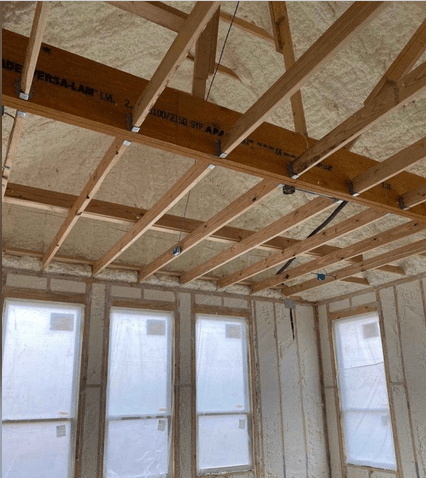
Spray Foam Insulation: Seals gaps to prevent air leakage, maintaining stable temperatures year-round for energy efficiency.
Rigid Foam Insulation: Provides superior thermal performance, ideal for resisting heat in summer and retaining warmth in winter.
Cellulose Insulation: Environmentally friendly and effective at thermal insulation, ensuring comfort in all seasons.
Double-Glazed Windows: Minimize heat transfer for enhanced insulation, contributing to overall energy efficiency.
Factors to Consider When Choosing Wall Insulation
- R-value: Understanding insulation effectiveness
- Moisture resistance: Importance in Perth’s humid climate
- Fire resistance: Ensuring safety standards are met
- Eco-friendliness: Sustainable options for environmentally conscious homeowners
- Installation ease and cost-effectiveness
Cost Considerations and Budgeting Tips
When it comes to insulating your home, balancing cost considerations with quality is essential. Here are some budgeting tips and factors to consider when planning your insulation project:
1.Evaluate Insulation Options:
Research different insulation materials and methods to find the best fit for your needs and budget. Compare factors such as initial cost, long-term savings, and effectiveness in your climate.
2. Set a Realistic Budget:
Determine how much you can afford to spend on insulation without compromising other essential expenses. Consider factors like the size of your home, desired insulation type, and installation costs.
3. Prioritize High-Traffic Areas:
If budget constraints limit a full-home insulation project, prioritize insulating high-traffic areas such as living rooms, bedrooms, and attics. This targeted approach ensures maximum comfort and energy savings where they matter most.
4. Explore Financing Options:
Look into financing options or incentives available for energy-efficient home improvements. Many government programs, utility companies, and financial institutions offer loans, rebates, or tax credits to offset insulation costs.
5. DIY vs. Professional Installation:
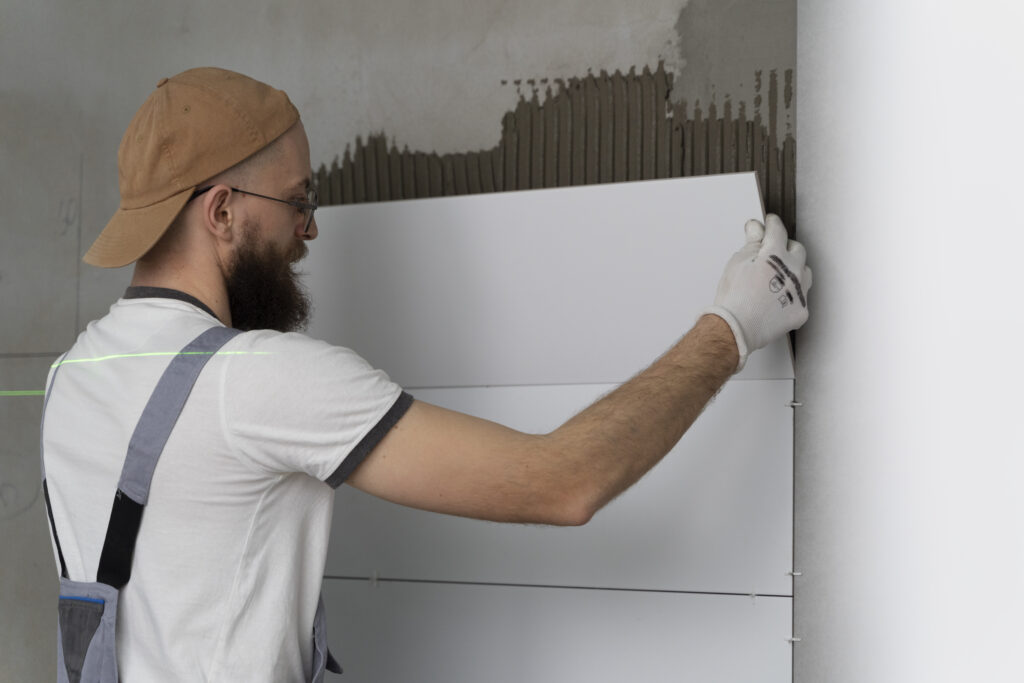
Decide whether to tackle the insulation project yourself or hire professionals. While DIY may save money upfront, professional installation ensures proper placement and maximizes insulation effectiveness, potentially saving money in the long run by avoiding costly mistakes.
6. Plan for Long-Term Savings:
Consider insulation as an investment rather than a one-time expense. High-quality insulation can lead to significant long-term savings on energy bills by reducing heating and cooling costs. Factor in these potential savings when budgeting for your project.
7. Get Multiple Quotes:
Obtain quotes from several insulation contractors to compare prices and services. Look for reputable contractors with experience in your area who offer competitive pricing and quality workmanship.
8. Be Flexible:
Be open to adjusting your insulation plans based on budget constraints and cost-saving opportunities. Prioritize essential areas first and plan additional upgrades as finances allow over time.
When it comes to ensuring optimal comfort and energy efficiency in your home, investing in the best wall insulation is paramount. Perth’s climate, characterized by hot summers and cool winters, demands a robust insulation solution to combat temperature extremes. Fortunately, homeowners have a plethora of options to choose from when it comes to wall insulation materials.
From traditional fiberglass batts to innovative spray foam, each type of insulation offers unique benefits and considerations. Wall insulation not only regulates indoor temperature but also provides soundproofing and moisture control, crucial in Perth’s humid environment.
For homeowners in Perth, selecting the best wall insulation involves evaluating factors such as R-value, material durability, and eco-friendliness. Additionally, considering the expertise of installation professionals is essential to ensure proper implementation and long-term performance.